Dangerous drug-resistant superbug spreading rapidly across European hospitals
European medical facilities are reporting a sharp increase in infections caused by the antibiotic-resistant bacterium Klebsiella pneumoniae, posing a severe threat to patients.
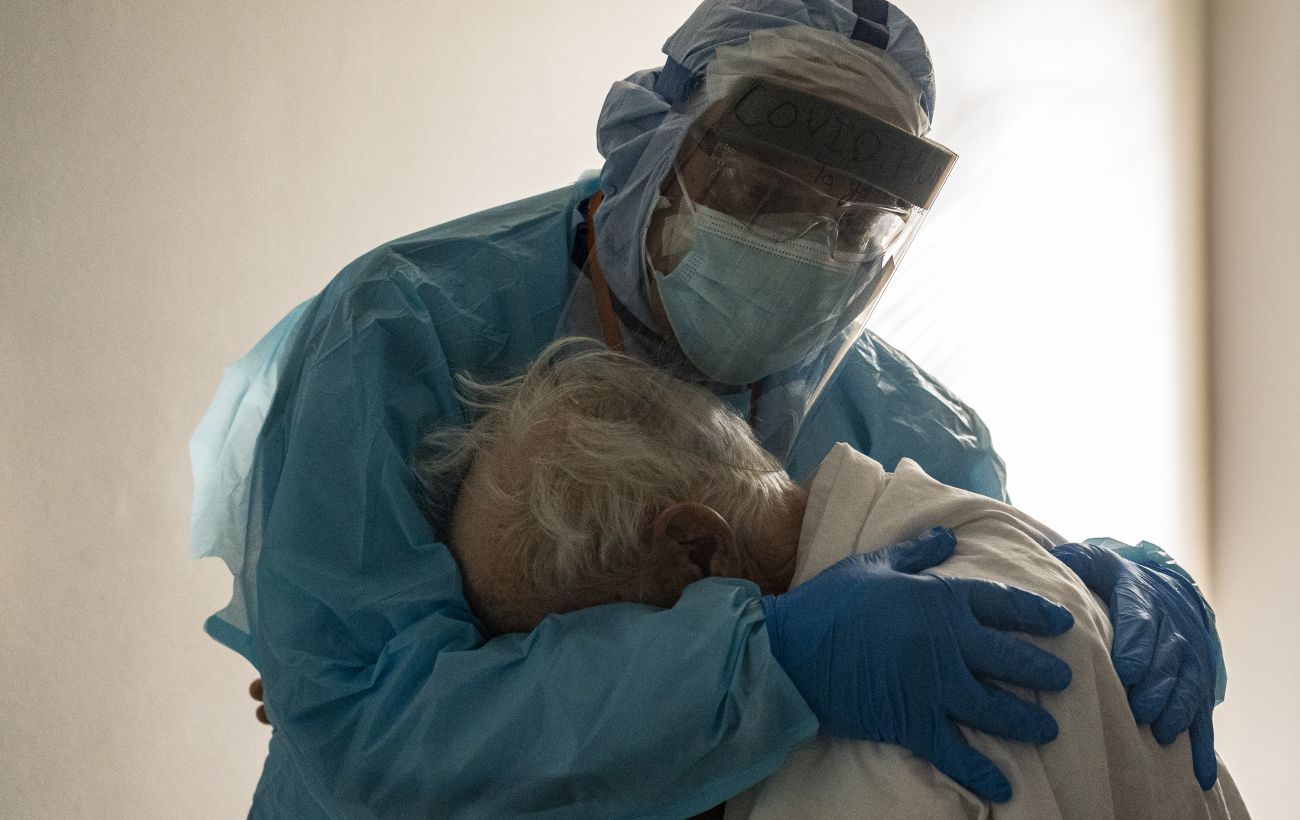 👥Society
Photo: RBC-Ukraine
Key points
- Klebsiella pneumoniae infections rose by 72% since 2019.
- Mortality rates from the superbug range between 40% and 70%.
- The bacterium has developed resistance to nearly all available antibiotics.
- ECDC urges hospitals to strengthen infection control measures.
European healthcare facilities are facing an alarming trend: the number of bloodstream infections caused by the antibiotic-resistant bacterium Klebsiella pneumoniae has increased significantly over recent years. According to reports from specialized European agencies, infection rates rose by 72% between 2019 and 2025. This development pushes the European Union significantly off-track from achieving its strategic goals to curb such health threats.
Life-threatening risks and treatment resistance
Experts are particularly concerned that new strains of this microorganism show almost no response to modern pharmaceutical treatments. According to Christian Giske, head of research at the European Centre for Disease Prevention and Control (ECDC), the situation regarding this superbug is the most worrisome among all microbial threats documented in the region over the past year.
Medical consequences of contracting these strains are severe. Mortality rates for such healthcare-associated infections typically range from 40 to 70 percent. The bacterium can colonize the human gut and form significant reservoirs, making eradication efforts considerably more difficult.
Preventive measures and international response
Health authorities stress the urgent need to enhance infection prevention protocols in hospitals, including rigorous hand hygiene, proper use of personal protective equipment, and thorough facility disinfection. While similar measures successfully reduced the spread of another dangerous pathogen, MRSA, tackling Klebsiella will require even stricter safety standards due to its biological characteristics.
Source RBC-Ukraine — rbc.ua/ukr/news/likarnyah-evropi-poshiryuetsya-nebezpechna-17949988… ↗
Read next
 🛡️Security
Russia builds military infrastructure 60 km from the Finnish border
Satellite imagery reveals active redevelopment of the Kamenka military garrison on the Karelian Isthmus as Moscow reinforces its northern flank.
 🧠AI Analysis
EU Summons Russian Diplomat Over Embassy Damage in Kyiv
The European External Action Service held a meeting with Russia's charge d'affaires following damage to EU member state embassies in Ukraine's capital.
 🧠AI Analysis
Munich Converts Former BMW Offices to House Ukrainian Refugees
The authorities of the German city of Munich have rented part of a former BMW administrative complex to accommodate Ukrainian refugees.
 🛡️Security
Drone Strike Hits Lukoil Refinery in Perm: Major Fires Reported at Strategic Facility
A drone attack has caused fires at the Lukoil-Permnefteorgsintez refinery in Perm, damaging critical oil processing units at one of Russia's largest facilities.
 🧠AI Analysis
ArcelorMittal Shutdown and Exemption Risks: Experts Urge Government to Adjust Rules
The production halt at ArcelorMittal Kryvyi Rih puts thousands of workers at risk of losing military service exemptions due to lower wages during downtime. Industry exper…
 🛡️Security
DTEK energy workers restore power to hundreds of thousands of families in the Dnipropetrovsk region
Over the past week, power has been restored to 341,000 households in the Dnipropetrovsk region following enemy strikes.