Tree Whitewashing in Synelnykove: Protecting Orchards Before Winter Frosts
Experts recommend whitewashing fruit trees in late autumn to protect bark from temperature fluctuations and sunscald.
 💼Economy
Photo: UNIAN
Key points
- Whitewashing protects trees from sunscald and frost cracks caused by temperature swings.
- The optimal period for the work is November to early December before heavy frosts.
- Young trees aged 2 to 7 years require the most protection.
For many residents of the private sector in Synelnykove and surrounding communities, orchard maintenance is a vital part of household management. As cold weather approaches, the issue of whitewashing trees becomes highly relevant. While white trunks are a common sight, experts emphasize that this procedure is a critical protection against physical bark damage during the winter period.
Why the White Color Saves Trees
The main danger for an orchard in winter is not steady frost, but sharp temperature fluctuations. On sunny days, dark bark absorbs heat, causing the tissues underneath to "wake up." When the temperature drops rapidly at night, these active cells freeze and die, resulting in so-called "winter sunscald" or frost cracks. Research shows that the temperature of an unpainted trunk can be 17–28 degrees Celsius higher than the air temperature.
The white layer of lime acts like a mirror, reflecting sunlight. This helps maintain a stable trunk temperature, preventing premature sap flow. Experts compare this protection to sunglasses for the sensitive bark of young plantings.
Timing and Application Techniques
The best time for the procedure is from November to early December, after the leaves have completely fallen but before severe frosts set in. Work should be carried out on a dry day when the temperature is above freezing. Special attention should be paid to young trees aged 2 to 7 years, as their bark is the most vulnerable. Seedlings younger than two years are generally not recommended for painting.
- Classic solution: 2-3 kg of slaked lime per 10 liters of water.
- For better adhesion, about 1 kg of clay is added.
- For disinfection and pest control, 100–300 g of copper sulfate is often included.
While whitewashing helps combat moss and lichens, its primary function remains thermal. If rain washes away a significant portion of the protective layer over the winter, it is advisable to repeat the procedure in late February or early March, before the buds begin to swell.
Source UNIAN — unian.ua/curiosities/navishcho-voseni-bilyat-stovburi-plodovih-dere… ↗
Read next
 👥Society
NATO Secretary-General Rejects Russia's Demand to Revert to 1997 Borders
Mark Rutte stated that the Alliance finds Russia's proposal to return to 1997 borders 'unacceptable.' He also commented on the recent incident involving Russian missiles …
 👥Society
NATO: No unanimous support for Ukraine’s accession – implications for Sinelnike
NATO Secretary‑General Jens Stoltenberg’s deputy, Mark Rutte, said there is still no full consensus among Alliance members on Ukraine’s possible membership, a development…
 🛡️Security
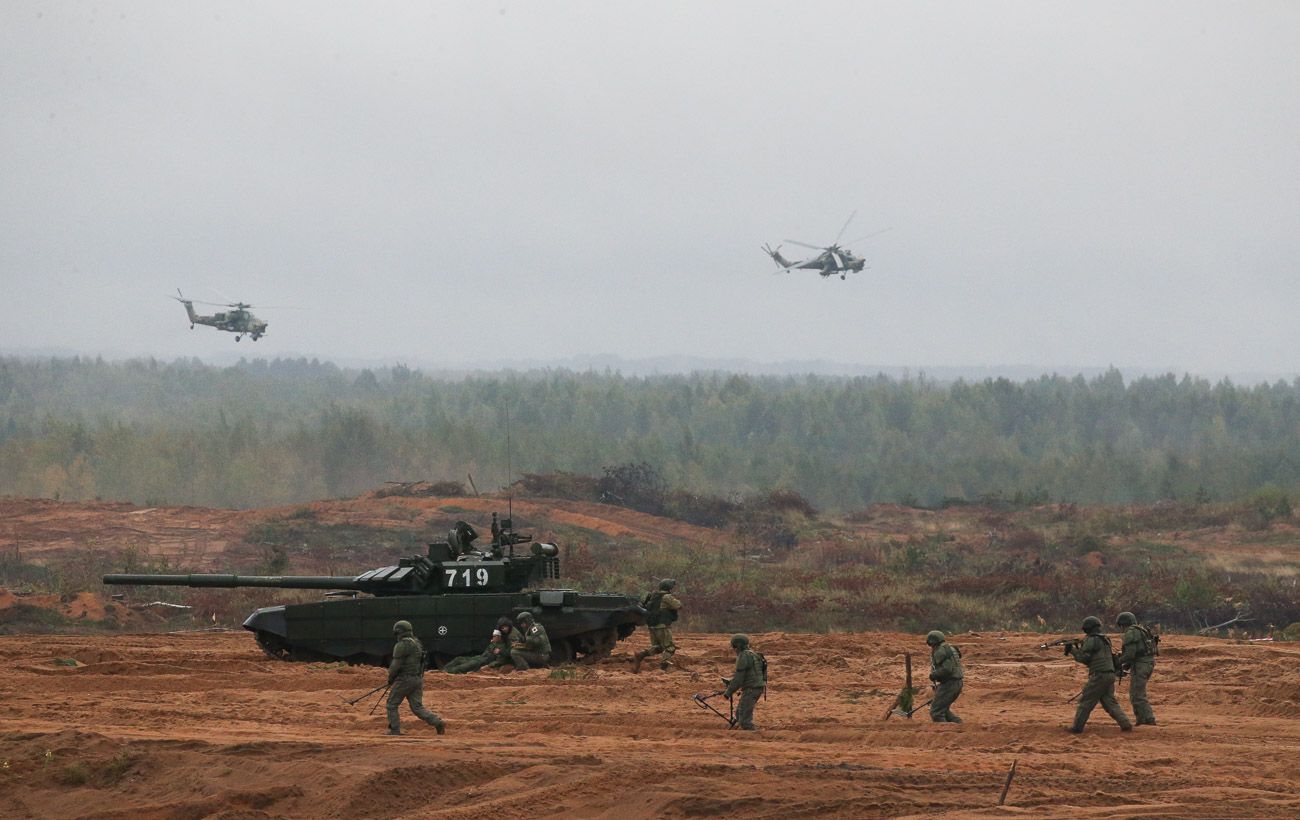
Russia builds military infrastructure 60 km from the Finnish border
Satellite imagery reveals active redevelopment of the Kamenka military garrison on the Karelian Isthmus as Moscow reinforces its northern flank.
 🧠AI Analysis
EU Summons Russian Diplomat Over Embassy Damage in Kyiv
The European External Action Service held a meeting with Russia's charge d'affaires following damage to EU member state embassies in Ukraine's capital.
 🧠AI Analysis
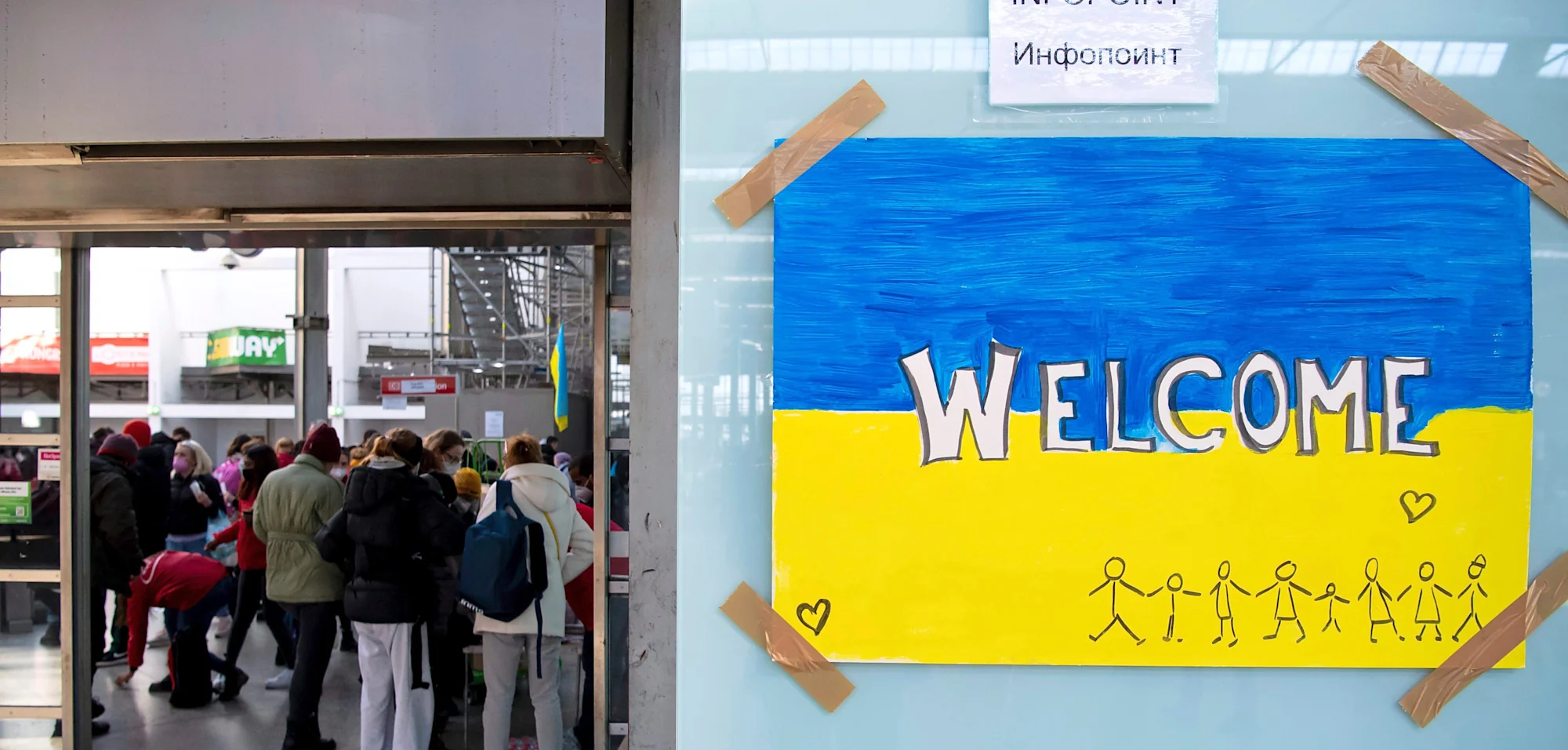
Munich Converts Former BMW Offices to House Ukrainian Refugees
The authorities of the German city of Munich have rented part of a former BMW administrative complex to accommodate Ukrainian refugees.
 🛡️Security
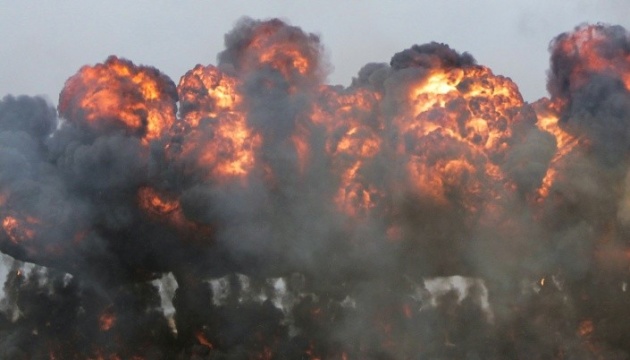
Drone Strike Hits Lukoil Refinery in Perm: Major Fires Reported at Strategic Facility
A drone attack has caused fires at the Lukoil-Permnefteorgsintez refinery in Perm, damaging critical oil processing units at one of Russia's largest facilities.