History and Traditions of New Year: Why We Celebrate on January 1st
We explore the origins of the New Year celebration date and how calendar reforms have shaped global traditions.
 🎭Culture & Sport
Photo: TSN
Key points
- January 1st became the start of the year thanks to the reforms of Julius Caesar and Gregory XIII.
- The name of the month comes from the god Janus, symbolizing the transition between past and future.
- Different nations around the world have unique gastronomic and ritual traditions for welcoming the New Year.
From Ancient Rituals to the Modern Calendar
The celebration of the New Year on January 1st has deep roots dating back to Ancient Rome. While various civilizations throughout the millennia chose dates for the beginning of the year based on natural cycles—from the flooding of the Nile to the vernal equinox—it was the reform of Julius Caesar in 46 BC that established January as the start of the calendar cycle.
The month was dedicated to the god Janus, who symbolized transitions and the gaze into both the past and the future. However, even after this, in medieval Europe, celebration dates remained inconsistent, often tied to religious holidays such as Christmas or the Annunciation. The final establishment of January 1st as the generally accepted start of the year occurred thanks to the introduction of the Gregorian calendar by Pope Gregory XIII in 1582.
World Traditions for Welcoming the New Year
- In Spain, there is a custom of eating 12 grapes as the clock strikes midnight for success in each month.
- Italians consume lentils, which resemble coins, as a symbol of financial prosperity.
- In Japan, Buddhist temples ring bells 108 times to cleanse people of negative passions.
- The Scottish tradition of "first-footing" places great importance on the first guest to cross the threshold after midnight.
Source TSN — tsn.ua/tsikavinki/koly-sviatkuiut-novyy-rik-chomu-data-prypadaye-na-1-s… ↗
Read next
 👥Society
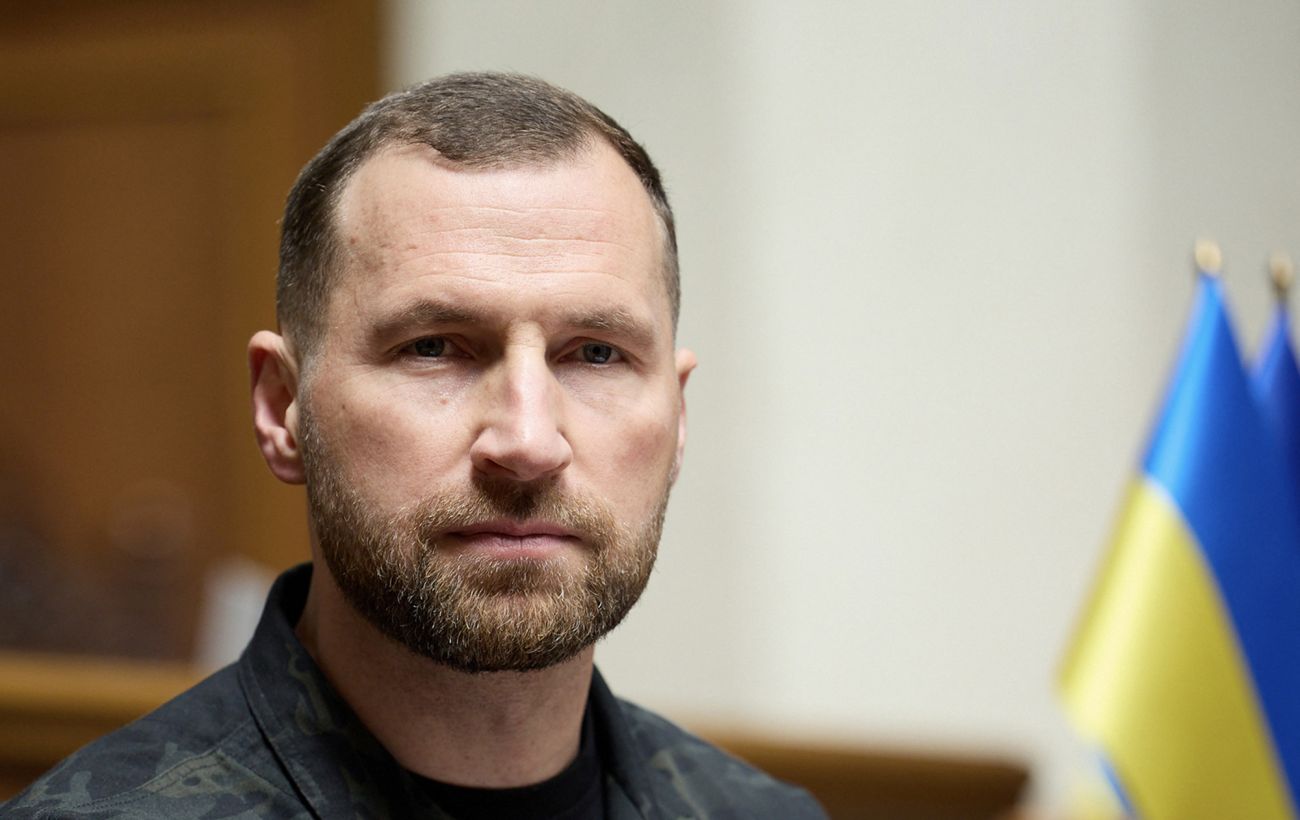
Ministry of Defense: Russia ramps up production and use of ballistic missiles
Defense Minister Yevhen Khmara reports an increase in ballistic missile attacks. The enemy is launching missiles every five hours, targeting civilian infrastructure.
 👥Society
Tajikistan officially withdraws from the International Criminal Court
Tajikistan ended its participation in the Rome Statute on the day of Vladimir Putin's visit, effectively preventing the execution of his arrest warrant in the country.
 👥Society
King Charles III and Idris Elba star in documentary about youth support
The British monarch and the acclaimed actor have teamed up for a Netflix documentary highlighting the impact of The King's Trust foundation.
 🩺Health
Health Ministry expects sufficient flu vaccine supplies for Ukrainians
The Ministry of Health has assured that current flu vaccine stocks are sufficient to meet public demand, despite initial supply delays.
 🏛️Politics
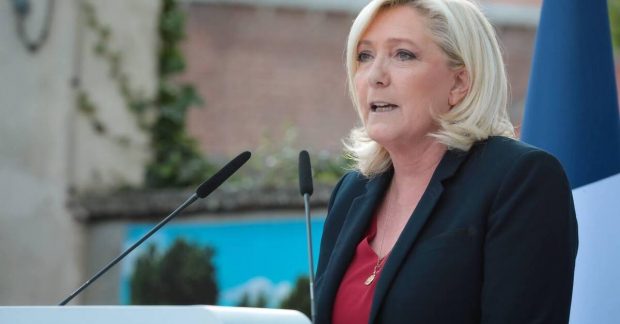
Marine Le Pen opposes Ukraine's accession to EU and NATO
Leader of the French 'National Rally' party Marine Le Pen stated that she does not support Ukraine's integration into the European Union or the North Atlantic Alliance.
 🛡️Security
Zelenskyy announces strengthened defense against Russian jet-powered drones
The President of Ukraine held a Staff meeting focused on countering new types of enemy UAVs.