Global Security Challenges: How Cooperation Between Authoritarian Regimes Impacts the World
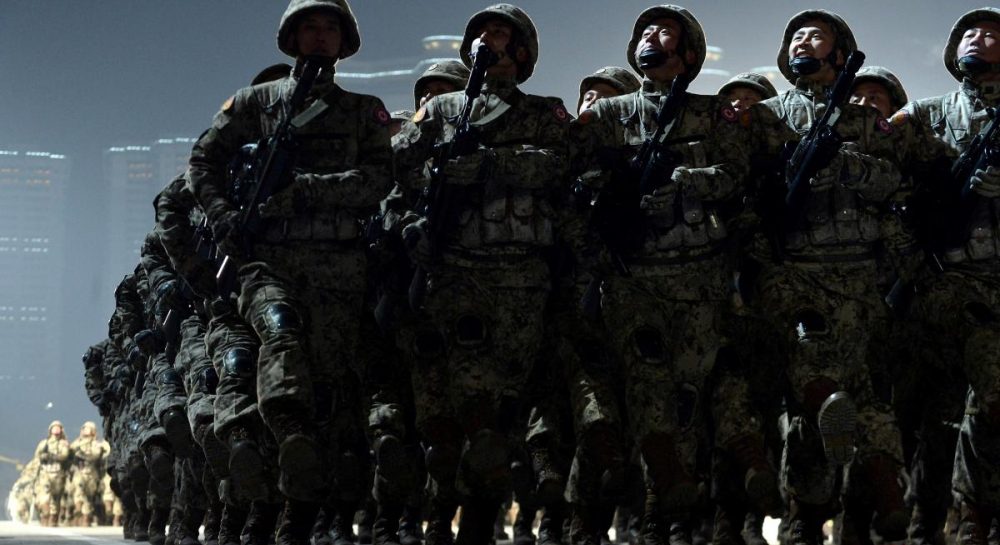
The Economist analysts highlight increasing coordination between Russia, China, Iran, and North Korea, creating new threats to global stability.
 🏙️City
Photo: UNIAN
Key points
- Increased interaction between Russia, China, Iran, and North Korea
- Over 600 instances of security cooperation from 2019-2025
- Lack of a unified military command despite shared interests
Authoritarian states, including Russia, China, Iran, and North Korea, are demonstrating an increasing level of interaction, which is raising concerns among Western experts. According to The Economist, these countries have established an effective exchange of military technology, intelligence, and expertise, allowing them to successfully mitigate the impact of international sanctions.
Signs of an Informal Alliance
Researchers at the American FDD center have recorded over 600 instances of close security cooperation between these regimes over the past six years. Although a formal military bloc similar to NATO has not yet been established, the existing network of mutual support is significantly shifting the balance of power on the international stage.
- Active exchange of weapons and military experience.
- Joint efforts to bypass economic restrictions.
- Coordination of security-related actions.
Experts note that while the interests of the members of this "axis" do not always align, their collective opposition to the West makes them significantly more dangerous to global security. Currently, Western nations have yet to develop a unified strategy to effectively counter such a consolidation of authoritarian regimes.
Source UNIAN — unian.ua/world/rosiya-knr-iran-ta-pivnichna-koreya-stvorili-neforma… ↗
Read next
 🇺🇦Ukraine
US Director of National Intelligence: Putin is not America's friend regarding Ukraine
US Intelligence Chief Jay Clayton clarified that despite diplomatic rhetoric, Russia's actions in Ukraine prevent any friendly status between the two nations.
 🛡️Security
Aftermath of the attack on Dymer: death toll rises to eight
Rescue teams continue search operations in the Kyiv region, where eight people have died following an enemy strike.
 👥Society
Clashes reported at Kyiv Pechersk Lavra: investigation underway
A physical confrontation took place at the historic religious site over the control of a church building. Police have initiated an investigation following formal complain…
 🇺🇦Ukraine
ISW Analysts Explain Why Humanitarian Corridors in Kostiantynivka Are Not Feasible
The Institute for the Study of War analyzed evacuation proposals and explained why the situation in Kostiantynivka differs from southern regions.
 🛡️Security
Another attack on an oil refinery in Novoshakhtinsk
On the night of November 23, the Novoshakhtinsk oil refinery in Russia was hit by an attack. The facility is a critical supplier of fuel for the Russian military.
 🚨Events
Special police operation in Kharkiv: investigation into a fatal shooting
A shooting occurred in Kharkiv on the evening of November 22, resulting in the death of a man. Police have launched a special operation to locate the perpetrators.